ReWear Ballina: Creating a Circular Clothing Community

Textile and Clothing Waste
Did you know that Australians are the largest consumers of fashion in the world? Aussies buy an average of 55 new items of clothing each year, now surpassing the US and the UK.
Whilst we’re a fashionable bunch, over consuming clothing has led to a textile waste crisis, with over 200,000 tonnes of clothing ending up in landfill each year.
Upcoming workshops and events
ReWear Summer Clothes Swap and Clothing Repair Event
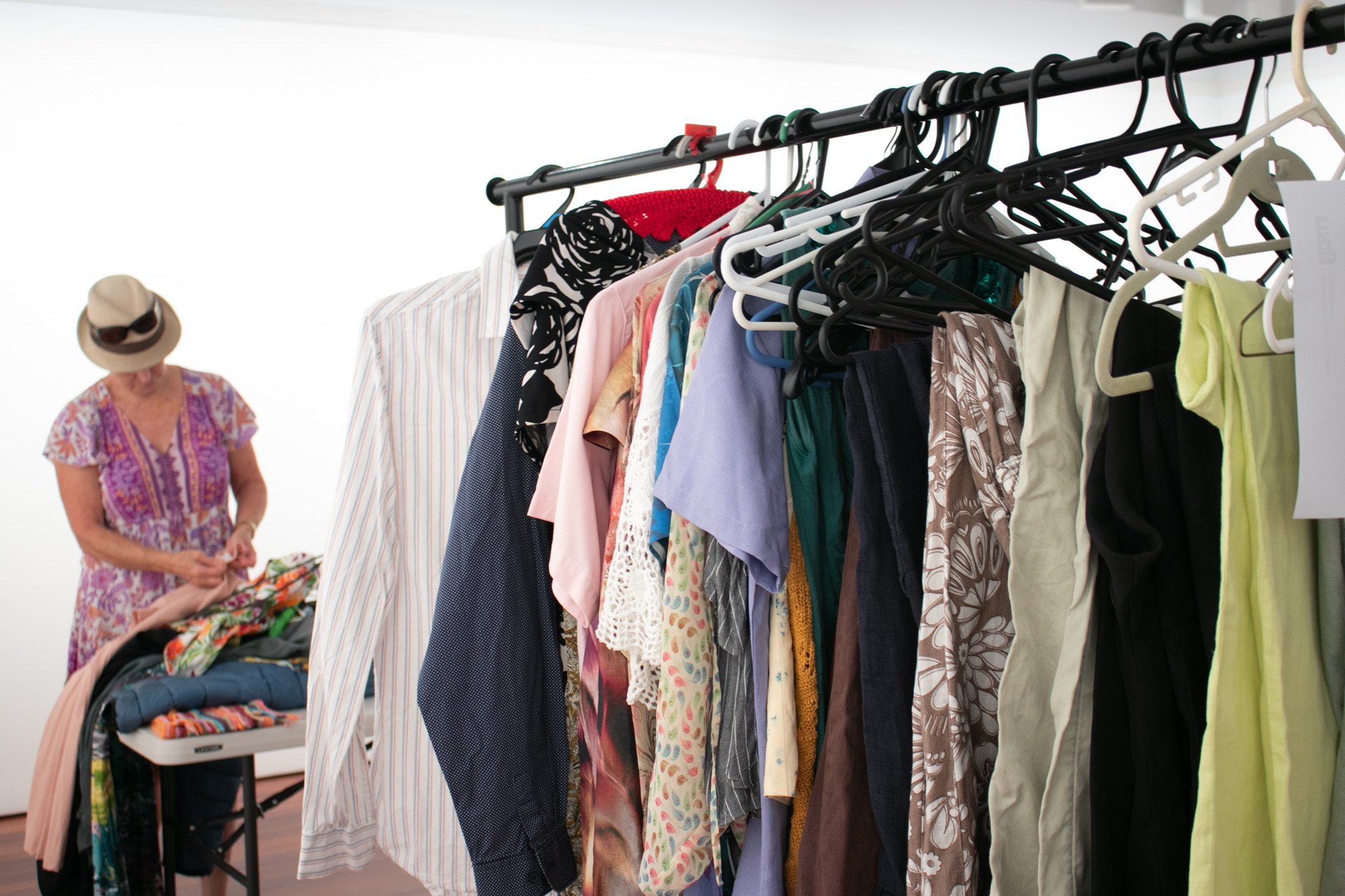
When: Saturday 6 December, 11am to 1pm
Where: Ignite Studios, 60 Crane St, Ballina
Alongside the swap will be a visible mending and alterations drop in session where you can pop in to get inspiration on how to mend an item of clothing, practice mending yourself, or get help from our expert mender! Friendly faces will be wandering the swap room to help you style your new looks and share sustainable fashion tips.
How our swap works
Step 1: Select between one and five quality clothing items from your wardrobe, in good condition.
Step 2: Deliver your items to Ignite Studios ahead of the event, at the designated time. For each item of clothing delivered you will receive one Clothes Swap Token.
Pre-event clothing drop and token exchange*:
- Friday 5 December: 12 – 5pm
- Saturday 6 December: 10 – 11am
*Please note you MUST drop off your items prior to the event starting at 11am. Items brought in after 11am on the day of the event will not be accepted.
Step 3: Join us on the day, ready to exchange your tokens for new items, discover more about sustainable fashion and learn mending tips and techniques!
This is a FREE and accessible event. Under 18's are welcome, but must be accompanied by an adult.
Contact the Resource Recovery team for more details or see answers to common questions below.
What can I bring to the summer swap?
Items must meet the below guidelines. There is a quality screening process for swapping drop offs.
What to bring
- Clothing and accessories for all genders and sizes: pants, skirts, tops, jumpers, coats, jumpsuits, shirts, shoes, bags, shorts, jackets, blazers, scarves, hats, dresses, sunglasses, jewellery
- Good quality items with a long potential lifespan
- Clean, folded or pressed items
- Items likely to be valued by others – ask yourself, would I be happy to give this item to a friend?
- Items should be free of faults or with minor faults that are easy to repair (for example, a missing button).
What NOT to bring
- Underwear, socks and swimwear
- Sportswear, activewear and tracksuits
- Anything stained, torn or unclean
- Noticeably worn out, shabby, pilling or frayed items
- Broken items
How can I participate in the Creative Visible Mending Workshop?
This workshop will run alongside the clothes swap party and will be an opportunity to drop in and:
- Get inspiration and support to try mending an item of clothing yourself
- Get support from our expert mender to help mend an item or 2 (on a first come, first served basis)
- Enjoy spending time mending with others
What happens to items leftover at the end of the swap?
All items left at the end of the swap will be donated to various charity partners.
ReWear Workshops
Thank you to everyone who came along to our popular mending, repair and upcycling workshops held across the Shire in September and October 2025.
Stay tuned for more workshops to be scheduled! Contact the Resource Recovery team for more information.
How can you reduce clothing and textile waste?
Avoid: Shop your own wardrobe first. If you really want something, take a week to think about it and see if you still want it.
Reduce: Keep your unwanted items out of landfill by giving them away, selling or donating.
- Give items to friends or family (ask first) or organise a clothes swap with friends, colleagues or neighbours.
- Try selling unwanted items on Facebook marketplace or other local buy/swap/sell groups, on eBay, Depop, or others.
- If you plan to donate, only donate clean, good quality items you would proudly give to a friend. Bring them into an op shop during donating hours only or look at Givit to match your donation to someone in need. See our responsible donating guide here.
Repair / repurpose: Give old items new life by repairing, upcycling or repurposing.
- Local repairers or alterations services can easily be found online if you don’t know how to repair items yourself. The Northern Rivers Reuse and Repair Trail is a good place to start.
- Fabric scraps can be repurposed into cleaning cloths/rags, gift wrap or other craft ideas.
Recycle: If you cannot rehome or repurpose clothing and textiles, there are recycling options you may consider.
- Upparel offers a legitimate paid textile recycling service.
- Tread Lightly recycles sports shoes – try Intersport or SportsPower Ballina, check online for additional locations and for specifics about what can be recycled.
- Linens and towels can be recycled at Sheridan stores (free service).
- Some companies accept trade-ins of their own brand items, including Patagonia and Macpac.
Why is textile waste a problem?
- The average Aussie buys 55 items of new clothing each year. A garment is only worn an average of 7 times before being thrown away or donated
- Over 200,000 tonnes of clothing is landfilled each year in Australia (nearly 4x the weight of the Sydney Harbour Bridge). In 2024, 880 million items of clothing were landfilled.
- After food and garden waste, textiles are the most common items in domestic landfill bins across Ballina
- The textiles sector is responsible for 8-10% of yearly global greenhouse gas emissions (more than aviation and shipping combined)
- 60% of all clothing made from plastics (synthetic fibres and blends like polyester, nylon, etc), which shed microplastics every time they are worn or washed
- Washing synthetic clothing accounts for 35% of all microplastics in the ocean, making them the largest source of microplastic pollution in the world’s oceans
- Buying a T-shirt and pair of jeans secondhand could save the equivalent of 20,000 standard bottles of water
Our tips for choosing textiles
- Shop second hand and Australian made wherever possible.
- Learn to read labels and look out for natural fibres, not made of plastics.
- Fabrics to look out for:
- 100% cotton
- Linen
- Hemp
- Bamboo
- Wool
- 100% recycled fabrics
- Fabrics to avoid:
- Polyester
- Nylon
- Acrylic
- Spandex/lycra
- Recycled PET
- Acetate
- Elastane
- Check the Ethical Fashion Guide for ethical businesses.
This project is funded by the NSW Environment Protection Authority under the NSW Government’s Waste and Sustainable Materials Strategy.